Ateens Guide To Investing Pets Dog Flirt Poles A Fun and Effective Way to Exercise Your Pup

Dog Flirt Poles A Fun and Effective Way to Exercise Your Pup

Dog Flirt Poles  A Fun and Effective Way to Exercise Your Pup post thumbnail image

You’re likely no stranger to the daily struggle of keeping your pup active and engaged. Traditional walks can get stale, and you’re probably seeking a more exciting way to exercise your dog. That’s where dog flirt poles come in – a fun and effective way to challenge your pup’s agility, speed, and coordination while strengthening your bond. By harnessing their natural prey drive, you can create a mentally and physically stimulating experience. But what makes flirt poles so effective, and how can you get started?

Benefits of Dog Flirt Poles

With a dog flirt pole in hand, you’ll be amazed at how it can elevate your pup’s exercise routine and overall well-being.

This innovative tool allows you to engage your dog in a fun, high-energy activity that targets their natural prey drive, providing a mental and physical workout.

As you wave the lure back and forth, your pup will instinctively chase, jump, and pounce, burning off excess energy and improving their agility, speed, and coordination.

Using a dog flirt pole also helps strengthen the bond between you and your pup, as it encourages interaction and play.

This, in turn, can lead to improved obedience, as your dog becomes more focused and attentive.

Additionally, the flirt pole provides a low-impact exercise option, making it an excellent choice for puppies, seniors, or dogs with joint issues.

Choosing the Right Lure

Selecting the right lure for your dog flirt pole is crucial, as it directly impacts your pup’s engagement and motivation.

You want a lure that’ll capture your dog’s attention and keep them interested in the game. Consider your dog’s natural prey drive and preferences. If your pup loves to chase small furry creatures, a toy that mimics a rabbit or squirrel might be the way to go.

If your dog has a strong retrieve instinct, a ball or toy with a rope attachment could be perfect.

You should also think about your dog’s age, size, and agility level. Puppies and smaller breeds might require smaller, lighter lures, while larger breeds can handle bigger, more substantial ones.

Additionally, consider the environment you’ll be playing in. If you’re playing indoors, a soft, lightweight lure might be better, while outdoors, a more durable option could be necessary.

Lastly, rotate your lures regularly to keep things fresh and exciting for your pup. This will prevent boredom and keep them engaged in the game.

Creating a Fun Obstacle Course

Your dog’s been hooked on the flirt pole, and now it’s time to take the game to the next level by creating a fun obstacle course that’ll challenge and engage them.

You can set up a course in your backyard, living room, or even a local dog park.

Start by gathering items like tunnels, cones, jumps, and weave poles.

You can also repurpose household items like cardboard boxes, paper bags, and broom handles.

Set up the course in a way that allows your dog to use their natural instincts, such as chasing and problem-solving.

For example, you can create a tunnel made from a cardboard box and have your dog run through it to catch the flirt pole.

You can also set up jumps of varying heights to challenge your dog’s agility.

Remember to keep the course fun and engaging, and don’t be afraid to mix it up and change the layout regularly to keep your dog interested.

With a little creativity, you can create an obstacle course that’ll provide hours of entertainment and exercise for your pup.

Tips for Successful Playtime

When you’re ready to play, grab that flirt pole and get moving!

Successful playtime with your dog requires some planning and attention to detail.

First, make sure you’re in a safe, open area with minimal distractions. You want your dog’s focus to be on the flirt pole, not on other animals or people.

Start with short sessions, around 10-15 minutes, and gradually increase the duration as your dog becomes more engaged.

Vary the speed and movement of the pole to keep things exciting and unpredictable.

Remember to praise and reward your dog with treats and affection when they respond correctly to the pole.

This positive reinforcement will help build their confidence and enthusiasm for playtime.

If your dog seems tired or loses interest, it’s okay to take a break or end the session early.

The goal is to have fun and get some exercise, not to exhaust your pup.

Why Flirt Poles Beat Walks

Why Flirt Poles Beat Walks

With a flirt pole, you’re not limited to a predetermined route or pace, allowing you to tailor the exercise to your dog’s unique needs and energy levels.

Unlike walks, where you’re stuck to a specific path, flirt poles give you the freedom to change direction, speed, and intensity on the fly. This adaptability is particularly beneficial for dogs that get bored or distracted during walks.

Flirt poles also provide a more engaging and mentally stimulating experience for your dog.

Chasing a lure or toy is a natural instinct for Dog flirt pole s, and the unpredictability of the flirt pole keeps them fully focused and engaged. In contrast, walks can become repetitive and monotonous, leading to mental fatigue.

Furthermore, flirt poles allow you to exercise your dog in a smaller space, making them ideal for those with limited outdoor areas or inclement weather.

Conclusion

You’ve discovered the secret to exercising your pup like a pro! With dog flirt poles, you’ve got the power to customize playtime to your dog’s unique needs and personality. By mixing up lures, courses, and speeds, you’ll keep your furry friend engaged, challenged, and exhausted (in the best way possible). Say goodbye to boring walks and hello to a stronger bond and a happier, healthier dog. Now, get out there and get flirting!

Leave a Reply

Your email address will not be published. Required fields are marked *

Related Post

Hurricane Obedience Training Teach Your Dog Essential CommandsHurricane Obedience Training Teach Your Dog Essential Commands

When a hurricane approaches, the last thing you need is a panicked dog. You’ve got to ensure your pet can follow essential commands like “come,” “stay,” and “leave it” to keep them safe in chaotic situations. Mastering these commands isn’t just about obedience; it’s about creating a reliable bond that can withstand even the toughest storms. The techniques you use can make all the difference, but there’s more to effective training than just commands. Let’s explore how to prepare your dog for emergencies and ensure they’re ready when it matters most.

Importance of Obedience Training

Obedience training is essential for fostering a harmonious relationship between you and your dog. It establishes a foundation of communication and trust, allowing your dog to understand your expectations. When you train your dog, you’re not just teaching commands; you’re building a bond that encourages respect and cooperation.

By practicing obedience, you can prevent behavioral issues that often arise from misunderstandings. A well-trained dog is less likely to engage in destructive behaviors or react negatively in various situations. You’ll find that your dog becomes more adaptable and confident, making outings and social interactions enjoyable for both of you.

Moreover, obedience training enhances safety. A dog that responds to commands is less likely to run into dangerous situations or become aggressive towards other pets or people. You’ll feel more at ease knowing your furry friend is well-behaved and under control.

In addition, obedience training can be a rewarding experience for you and your dog. It offers mental stimulation and helps to channel your dog’s energy positively.

Essential Commands to Teach

Teaching your dog specific commands is a fundamental part of obedience training. These commands not only help you communicate effectively with your dog but also ensure their safety, especially during emergencies like hurricanes.

Start with basic commands like “sit” and “stay.” These are crucial for controlling your dog’s behavior in chaotic situations.

Next, teach “come.” This command can be a lifesaver if your dog gets loose during a storm or evacuation. Use it frequently, rewarding your dog for responding promptly.

The command “down” is also important, as it can help calm your dog in stressful situations or when you need them to settle down.

Additionally, consider commands like “leave it” and “drop it.” These can prevent your dog from picking up dangerous items or following potentially harmful instincts.

Lastly, “heel” is essential for keeping your dog close and safe when walking in crowded or unfamiliar areas.

Techniques for Effective Training

Effective training techniques can make all the difference in your dog’s learning experience. To ensure your dog masters essential commands, consider using positive reinforcement, consistency, and patience. Positive reinforcement, like treats or praise, motivates your dog to engage in desired behaviors. Consistency is key; always use the same commands and cues to avoid confusing your pup. Lastly, patience is essential; every dog learns at their own pace.

Here’s a simple table to summarize effective training techniques:

Technique Description Tips
Positive Reinforcement Reward desired behaviors with treats/praise Use high-value rewards
Consistency Use the same commands and signals every time Practice regularly
Patience Understand that learning takes time Keep training sessions short
Timing Give rewards immediately after the command Reward within 2-3 seconds
Environment Choose a distraction-free area for training Gradually introduce distractions

Tips for Hurricane Preparedness

Preparing for a hurricane involves more than just securing your home; it’s about ensuring the safety of your entire family, including your pets. Start by creating an emergency plan that includes your pets. Identify a safe place where everyone, including your furry friends, can go if you need to evacuate.

Next, gather essential supplies. Make sure you have enough food, water, medications, and any comfort items for your pets. A pet first-aid kit is also a must. Don’t forget to include a leash, carrier, and identification tags for your dog.

When the storm approaches, secure your outdoor items and check your emergency kit to ensure everything you need is ready. Keep your pets indoors and calm; they can sense your anxiety, so try to stay relaxed.

If you live in a flood-prone area, consider microchipping your dog or having a current photo on hand, just in case you get separated.

Lastly, stay informed about the weather and follow local evacuation orders to keep everyone safe. Being prepared can make all the difference during a hurricane, ensuring peace of mind for you and your beloved pets.

Maintaining Consistency and Patience

When it comes to dog obedience training, consistency and patience are crucial for success. You need to establish a clear set of commands and stick to them. This means using the same word for each command every time, so your dog understands what you expect. If you waver in your commands or use different words, your dog will get confused, and progress will stall.

Patience is just as important. Training a dog takes time, and you’ll likely face setbacks along the way. Instead of getting frustrated, remember that learning is a gradual process. Celebrate small victories and keep your training sessions short and engaging. Dogs have limited attention spans, so aim for around 5 to 10 minutes per session.

Also, practice regularly to reinforce what your dog has learned. The more consistent you’re in your training routine, the more reliable your dog’s responses will become.

If you find yourself feeling overwhelmed, take a break. It’s better to step back and regroup than to push through and risk discouraging your dog.

Frequently Asked Questions

What Age Should I Start Obedience Training for My Dog?

You should start obedience training as early as eight weeks old. Puppies are like sponges, soaking up new commands and social skills. The sooner you begin, the better your chances for a well-behaved adult dog.

How Long Does It Take to See Training Results?

You’ll start seeing training results within a few weeks, but consistency is key. The more you practice commands daily, the quicker your dog will learn. Patience and positive reinforcement will also speed up the process.

Can Obedience Training Help Anxious Dogs During Storms?

Yes, obedience training can help anxious dogs during storms. It builds their confidence and reinforces calm behaviors. By practicing commands, you’ll create a sense of security, making your dog feel more at ease when storms hit.

Should I Use Treats or Toys for Rewards?

When you’re deciding between treats or toys for rewards, consider your dog’s preferences. Treats often motivate better for training, but toys can be engaging too. Experiment and see which one excites your obedience training st George more!

What if My Dog Refuses to Follow Commands?

If your dog refuses to follow commands, stay calm and patient. Try using different rewards, repeat the command, or change your training environment. Consistency and positive reinforcement will help your dog respond better over time.

Conclusion

In conclusion, hurricane obedience training is vital for keeping your dog safe during emergencies. By teaching essential commands and employing effective training techniques, you’ll ensure your pet responds calmly when it matters most. Remember to stay consistent and patient throughout the process. With your dedication, your dog can develop the confidence needed to navigate chaotic situations. So, start training today and give your furry friend the tools they need to stay safe during a hurricane!

5 Safety Tips to Keep Your Dog’s Drinking Water Clean and Healthy5 Safety Tips to Keep Your Dog’s Drinking Water Clean and Healthy

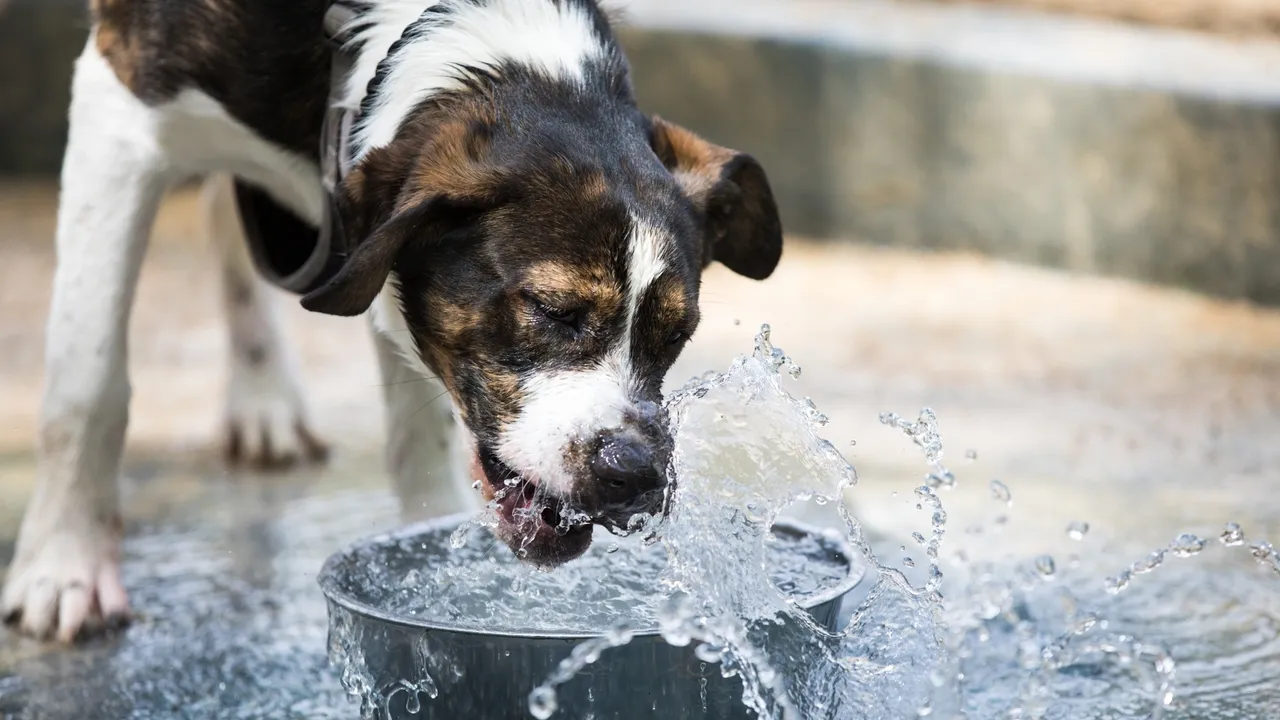
Clean water is as vital to a dog as good food and regular exercise. When you guard the quality of dog's drinking water, you protect your pet from germs, stomach upset, and dehydration. The five tips below explain simple steps every owner can take at home.

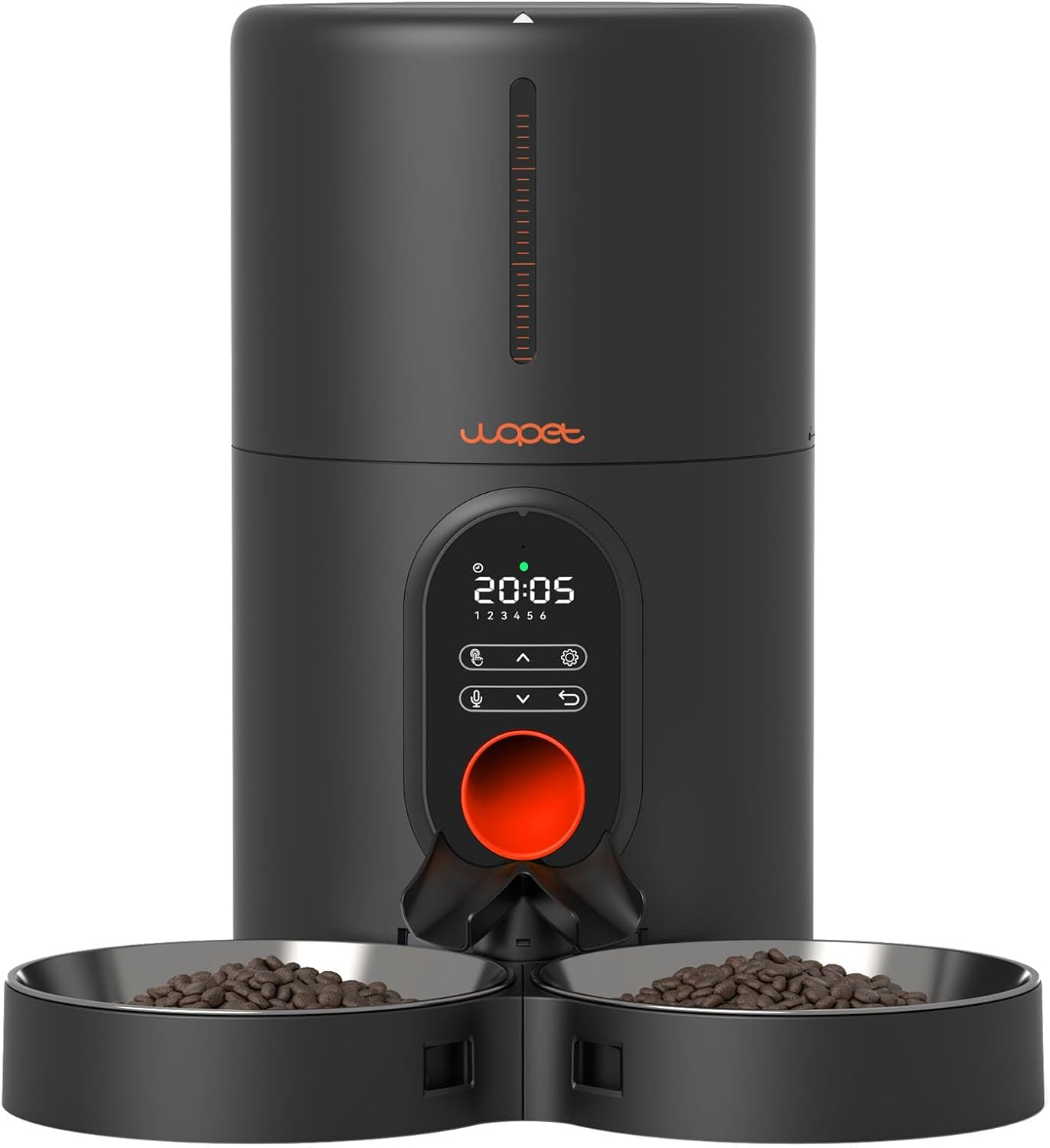
Each tip uses everyday items, clear routines, and smart tools—like the WOpet FT50D Automatic Dual Pet Feeder—to keep water and food fresh around the clock.

1. Refresh Water at Least Twice a Day

Dogs drool, drop crumbs, and track dirt. These small bits end up in bowls and spoil water fast. To stop bacterial growth, empty and rinse the bowl in the sink every morning and evening.

Then add cool tap or filtered water. Regular refills lower the chance that flies or ants will settle in. Frequent checks also let you spot leaks, cracks, or slime before they become a health risk. This habit keeps dog's drinking water clear, even on hot summer days.

2. Wash Bowls With Soap, Not Just Water

A quick rinse removes hair, but soap and warm water remove germs. Use a mild dish soap and a soft sponge. Scrub the inside, rim, and base, then rinse well. Dry the bowl with a clean towel to stop mold from forming in damp corners.

For stainless steel bowls, a weekly vinegar soak breaks down mineral stains. If you use a fountain, follow the maker’s cleaning guide. You can learn more about good water fountain maintenance in this helpful guide.

3. Choose Safe Water Sources

City tap water is usually fine, but test well water once a year for nitrates and bacteria. When on the road, fill a portable bottle from sealed jugs or filtered taps. Never let your dog drink from puddles or streams near farms; these can hold pesticides.

If your dog has a sensitive stomach, filtered water can cut down on diarrhea. Owners of older pets should pay extra attention, because aging kidneys need steady moisture. For more ideas on keeping older pets hydrated, see these simple tips: learn more.

4. Keep Bowls in a Clean, Shaded Spot

Sunlight speeds algae growth, and foot traffic kicks dust into bowls. Place water off the floor in a shaded corner, away from litter boxes, trash cans, and cleaning supplies. If you have more than one pet, set up several stations so timid dogs can drink in peace.

Indoors, avoid placing the bowl next to heat vents or loud appliances. Outside, lift the bowl onto a low stand to block insects. A tidy, calm setting means dog's drinking water stays cool and free of debris.

5. Pair Fresh Water With Smart Feeding Tools

Clean water and clean food work hand in hand. The WOpet FT50D Automatic Dual Pet Feeder makes meal routines easy, especially in homes with two pets. Its 4-liter tank holds up to 17 cups of dry kibble, sealed tight by a desiccant bag and triple-seal lid.

You can set up to six meals a day, with portions from one to twenty 12-gram scoops. The clear window shows food levels, and dual power (plug or batteries) keeps meals on time during outages. Pair the feeder with regular water checks, and you reduce gulping and choking, since dogs no longer race to an empty bowl.

A 10-second voice call lets you invite pets to eat without leaving your chair. Add a fountain nearby, and you create a full smart pet care zone that blends feeding and hydration. See more ideas in this article.

Why the WOpet FT50D Helps Water Safety

Many dogs spill kibble into water or lick food bits into bowls after meals. With the WOpet FT50D, you control exact serving times and sizes, so dogs finish meals before they drink. Two stainless steel bowls resist rust and wipe clean in seconds.

The tank, lid, and base all detach for sink washing, a big plus when you already clean water bowls twice a day. An automatic feeder like this one also frees busy owners from guesswork. You never wonder if your pets missed a meal, and you keep a clear line between feeding and hydration.

Final Thoughts

Keeping dog's drinking water clean does not require complex gear or fancy methods. Refresh water often, scrub bowls with soap, test the water source, choose safe bowl spots, and use smart feeders that support tidy routines. Each step guards your pet against illness and encourages healthy habits.

The WOpet FT50D Automatic Dual Pet Feeder adds meal precision and freshness, helping you maintain a safe, balanced feeding station. Follow these tips, and you give your dog the gift of pure, healthy water every single day—because nothing matters more than a happy, hydrated friend.