Author: AQ

The Importance of Timely Auto Glass Repair for Your SafetyThe Importance of Timely Auto Glass Repair for Your Safety
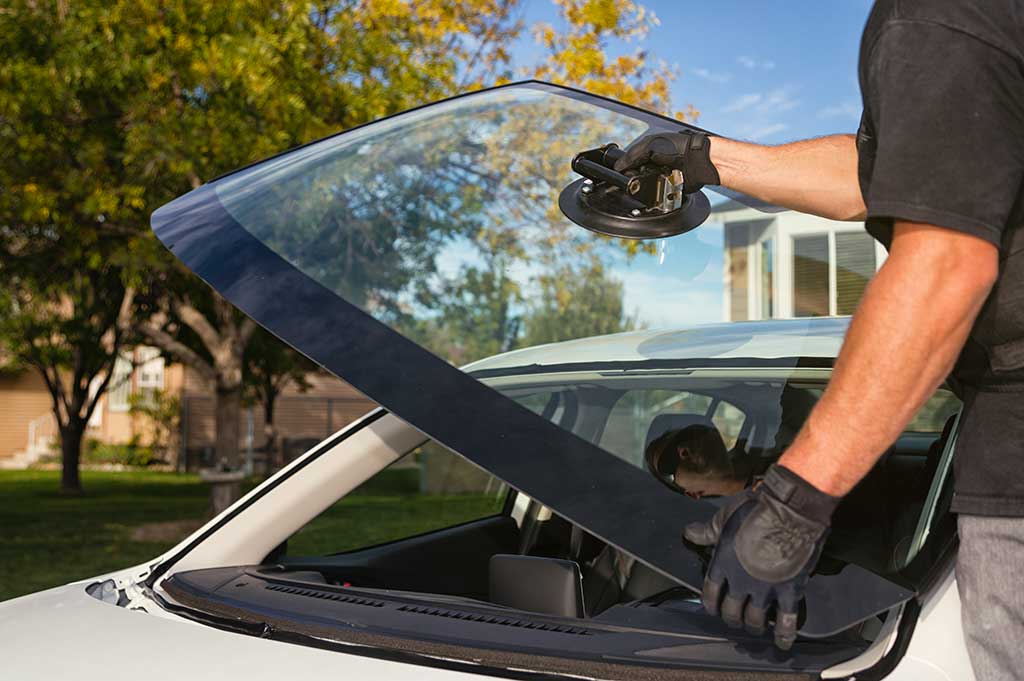
When a small chip or crack appears in your windshield, it can be tempting to brush it off as a minor inconvenience. After all, it’s just a crack, right? It won’t be long before it’s fixed, right? Well, the truth is, even small damage to your car’s auto glass can have a major impact on your safety. Timely auto glass repair isn’t just about restoring your car’s appearance—it’s about keeping you and your passengers safe on the road.

In this article, we’ll explore why timely auto glass repair is crucial for your safety, how delaying repairs can put you at risk, and how to recognize when it’s time to act.

Why Your Auto Glass is More Important Than You Think

When you think about vehicle safety, you probably think about airbags, seat belts, and crash test ratings. But your car’s auto glass plays a major role in its overall safety as well. Your windshield, in particular, does far more than just provide a clear view of the road ahead. It is structural to the strength of your car’s frame and helps protect you in the event of an accident.

Here’s why it’s crucial to keep your auto glass in top condition:

1. Windshield Integrity and Vehicle Safety

Did you know that your windshield provides up to 30% of your vehicle’s structural strength? In the event of a crash, particularly a rollover accident, the windshield helps prevent the roof from caving in. If your windshield is cracked or weakened, it might not be able to perform this protective function effectively.

Additionally, your windshield serves as a support system for airbags. During a crash, the force of the deploying airbags presses against the windshield, helping cushion the impact. If the windshield is compromised, there’s a risk that the airbags won’t deploy correctly, which can significantly reduce your protection.

2. Protection Against Debris and Road Hazards

Your windshield is your first line of defense against flying debris, such as rocks, gravel, and other road hazards. A crack or chip in your windshield reduces its ability to absorb impact. So, if something hits it, the damage may be more severe than it would be on an intact windshield. In extreme cases, a severely damaged windshield could shatter entirely, posing a direct threat to your safety.

3. Improved Visibility and Driving Comfort

Beyond safety in a crash, your windshield affects your visibility. Even a small chip or crack can interfere with your line of sight, especially if it’s in the driver’s view. This can make it harder to see traffic signals, road signs, or other vehicles, which increases the chances of an accident. Cracks can also cause glare when sunlight hits them, further impairing your vision. Getting the damage repaired ensures you have a clear, unobstructed view of the road, making driving safer and more comfortable.

Risks of Delaying Auto Glass Repair

The longer you wait to repair a crack or chip, the more risks you’re exposing yourself to. Here’s what can happen when you delay auto glass repair:

1. Cracks Spread with Temperature Changes

Temperature fluctuations—like the heat from your defroster in winter or the blazing summer sun—can cause cracks to spread. The stress from these temperature changes weakens the glass, causing even small damage to become a much bigger problem. A crack that starts as a small, manageable issue could quickly turn into a long, wide crack, making repair much more costly or even requiring a full windshield replacement.

2. Increased Risk of Shattering

If the damage to your windshield is left untreated, it weakens the overall structure of the glass. The more compromised the glass becomes, the higher the likelihood of spontaneous shattering, especially in the event of an impact. Even something as small as a bug hitting the windshield at high speeds can cause further damage if the glass is already weakened by a crack. This can pose a serious safety risk, particularly if the glass shatters while driving at high speeds.

3. Poor Repair Could Affect Insurance Claims

If you don’t repair minor chips or cracks early, your insurance company may consider the damage more significant, leading to higher repair costs down the road. Timely repair might even be covered under your insurance policy without raising your premium. However, if the damage is extensive, it may require a full windshield replacement, which could impact your insurance premiums. Additionally, some insurers may have specific requirements about how and when repairs must be made for them to honor a claim.

What Happens During Auto Glass Repair?

If you’re still unsure why timely repairs are so important, let’s take a look at what happens when you get your auto glass repaired or replaced.

For Small Chips and Cracks

If the crack or chip is small (typically under 3 inches), most auto glass repair shops will be able to repair the damage without replacing the entire windshield. The process involves injecting a special resin into the crack or chip, which is then cured under ultraviolet light. This strengthens the damaged area, preventing it from spreading further and improving the appearance of the windshield. A professional repair can restore up to 90% of the glass’s original strength, ensuring you’re still safe to drive.

For Larger Cracks or Full Windshield Replacement

For larger cracks or when the damage affects the structural integrity of the windshield, replacement may be the best option. While the repair process for smaller cracks can often be done in under an hour, windshield replacements typically take a few hours. The technician will carefully remove the old windshield and replace it with a new one, ensuring proper bonding to maintain the structural strength of the vehicle.

In both cases, a quality repair or replacement ensures that your windshield will continue to perform its vital safety functions. It will help maintain the vehicle’s integrity in the event of a crash and provide the necessary protection for you and your passengers.

Signs You Need Auto Glass Repair

Wondering when you should act on auto glass damage? Here are a few signs that indicate it’s time to repair or replace your windshield:

  • A Chip or Crack in Your Line of Sight: Any damage in the driver’s direct line of sight should be dealt with immediately, as it can impair visibility and increase the risk of an accident.

  • A Chip or Crack Bigger Than a Dollar Bill: If the crack is longer than 3 inches, it’s typically too large to Auto Glass Repair Phoenix effectively and may require a full windshield replacement.

  • Spreading Damage: If you notice that the chip or crack is spreading or getting worse over time, it’s essential to address it quickly before it becomes unmanageable.

  • Crack in the Corner: Damage to the edges or corners of the windshield can affect its structural strength, requiring an immediate repair or replacement.

Conclusion: Don’t Wait—Protect Yourself Today

When it comes to auto glass, timely repairs are essential to keeping you safe on the road. From protecting you in the event of a crash to maintaining visibility and reducing the risk of shattering, your windshield and windows are key to your vehicle’s overall safety. Delaying repairs may save you time in the short term, but it could put you and your passengers at serious risk.

If you notice even the smallest crack or chip, don’t wait. Get your auto glass inspected and repaired by a professional as soon as possible. Your safety—and your peace of mind—are well worth it.

How Weather Affects Your Windshield and When to Replace ItHow Weather Affects Your Windshield and When to Replace It

Your windshield isn’t just a piece of glass; it’s a vital safety feature that shields you from the elements, protects the structural integrity of your car, and provides clear visibility when driving. But did you know that weather can have a profound impact on the condition and lifespan of your windshield? Whether it’s extreme heat, freezing cold, or rainstorms, the weather can make your windshield more susceptible to damage. So, how does weather affect your windshield, and when should you consider replacing it? Let’s dive in!

1. The Heat: Extreme Summer Temperatures Can Be Tough

Summer sunshine might feel great for you, but it’s not always kind to your car, especially your windshield. When temperatures rise, your car’s windshield is exposed to a significant amount of heat, which can cause the glass to expand. This is often followed by a rapid cooling period, such as when you use your air conditioning on a hot day. The abrupt temperature changes create stress on the glass, which can lead to cracks and chips.

How heat affects your windshield:

  • Thermal stress: The glass expands under intense heat and contracts when cooled, putting pressure on any pre-existing cracks or chips.

  • Increased likelihood of cracks: Small chips and cracks that seem harmless can worsen quickly under intense sunlight, especially when you use air conditioning to cool down the cabin.

What you can do:

  • Park in the shade: Whenever possible, park your car in a shaded area or garage to reduce the amount of direct sunlight your windshield receives.

  • Avoid using the defroster right away: If your windshield is hot from the sun, using the air conditioning or defroster immediately could cause it to crack. Let it cool down naturally first.

2. The Cold: Freezing Temperatures Can Crack Your Glass

Winter brings a whole new set of challenges for your windshield. Freezing temperatures and ice buildup can be just as damaging—if not more so—than the summer heat. When temperatures drop, any moisture inside small cracks or chips can freeze, expanding and causing further damage. This can lead to windshield fractures or even the glass shattering in extreme cases.

How cold weather affects your windshield:

  • Ice expansion: When water freezes inside cracks, it expands, putting pressure on the glass and causing it to crack further.

  • Quick temperature changes: Transitioning from the cold outside to a heated car can also cause the glass to expand and contract, which may lead to cracks.

What you can do:

  • Defrost carefully: Don’t pour hot water directly on your windshield or use high heat from the defroster to clear ice. The rapid change in temperature can cause cracks to worsen.

  • Use a windshield cover: Protect your windshield from frost and ice build-up by using a protective cover overnight.

3. Rain and Humidity: Can Make Small Damage Worse

While rain itself isn’t usually the direct cause of windshield damage, the humidity and water pressure associated with heavy rainfall can exacerbate pre-existing damage. A chip or crack might seem insignificant when the weather is dry, but once rainwater seeps into the crack, it can cause the damage to spread quickly.

How rain and humidity affect your windshield:

  • Water penetration: Rainwater can seep into chips and cracks, worsening the damage over time. Even a small crack can expand if exposed to consistent moisture.

  • Visibility issues: The more damage your windshield sustains, the less effective your wipers will be, especially during heavy downpours, which can compromise your visibility on the road.

What you can do:

  • Fix small chips immediately: If you notice any chips or cracks, get them repaired before the weather can make them worse. Quick repairs can prevent further spreading.

  • Replace worn-out wipers: Ensure your windshield wipers are in good condition, so they can clear away rain and debris effectively, especially during storms.

4. Wind: The Silent Threat

It’s not just the temperature and water that impact your windshield—it’s the wind too. High winds, particularly during stormy weather, can carry debris, rocks, and other materials that could hit your windshield and cause damage. Whether it’s a pebble or a branch, wind can carry objects at high speeds, leading to chips or cracks.

How wind affects your windshield:

  • Flying debris: Strong winds during storms or even while driving on the highway can throw debris into your windshield, resulting in chips, cracks, or even full-on shattering.

  • Vibrations: High winds can shake your car and potentially exacerbate any pre-existing damage, leading to more cracks and deeper fractures.

What you can do:

  • Stay alert: When driving in stormy or windy conditions, keep a safe distance from trucks, construction sites, or areas where debris is more likely to fly into your windshield.

  • Inspect regularly: Check your windshield for any chips or cracks after any stormy weather or rough driving conditions.

5. When to Replace Your Windshield

Knowing when to replace your windshield is critical for your safety. Not every chip or crack requires an immediate replacement, but leaving damage unchecked can lead to bigger problems down the road. Here are a few signs that it’s time to replace your Phoenix windshield replacement rather than just repair it:

  • Large or deep cracks: If a crack is longer than 3 inches or goes all the way through the glass, a repair might not restore the integrity of the windshield, and replacement is necessary.

  • Damage in the driver’s line of sight: Any cracks or chips directly in the driver’s line of sight can impair visibility and become a safety hazard.

  • Multiple cracks: If your windshield has multiple chips or cracks, it’s a sign that the glass is structurally compromised, and replacing it is the best option.

  • Cracks at the edge: Cracks near the edge of the windshield can spread quickly, compromising the overall safety of the vehicle.

6. Protecting Your Windshield Year-Round

While weather-related damage is inevitable, there are ways to minimize the impact and extend the life of your windshield:

  • Regularly inspect your windshield for small chips or cracks. Catching damage early can prevent larger issues down the road.

  • Consider getting comprehensive insurance that covers windshield repair or replacement, especially if you live in an area prone to extreme weather.

  • Protect against environmental factors: Keep your windshield clean and free of debris, especially after storms, to maintain its integrity.

Conclusion: The Weather Will Change, But Your Safety Shouldn’t

Your windshield is your first line of defense against the weather, but it needs a little protection from the elements too. From intense heat to freezing cold, extreme weather can damage your windshield in unexpected ways. By understanding how the weather affects your windshield and knowing when to replace it, you can ensure a safer, clearer driving experience. So, the next time the forecast calls for a storm or a heatwave, take a few extra precautions—and keep your windshield in top condition for the road ahead.

Tax Accountant The Key to Efficient Tax PlanningTax Accountant The Key to Efficient Tax Planning

A tax accountant is a financial professional who specializes in tax laws and regulations. They work with individuals and businesses to prepare and file their tax accountants Poole returns, as well as advise on tax-saving strategies. With their extensive knowledge and experience in the constantly changing tax landscape, tax accountants play a crucial role in ensuring efficient and compliant tax planning for their clients.

Tax accountants are essential in helping individuals and businesses navigate the complex world of taxes. They possess a deep understanding of tax laws and regulations, and stay up-to-date on any changes that may affect their clients. This expertise allows them to identify potential tax savings for their clients and help them stay in compliance with tax laws.

One of the main responsibilities of a tax accountant is to prepare and file tax returns for their clients. They gather all necessary financial information and use their expertise to accurately calculate their tax liability. This not only saves their clients valuable time and effort but also ensures that their tax returns are filed correctly and on time, preventing any potential penalties or fines.

A tax accountant also plays a significant role in tax planning. They analyze their clients' financial situation and advise on tax-saving strategies that can minimize their tax bill. This can include deductions, credits, and other beneficial tax strategies that individuals or businesses may not be aware of. Tax accountants understand the intricacies of tax laws and can help their clients take advantage of any available tax breaks.

Businesses, in particular, can benefit greatly from the expertise of tax accountants. With the constantly changing tax regulations, it can be challenging for business owners to stay on top of their tax obligations. A tax accountant can assist businesses in managing their tax obligations and staying in compliance with tax laws. They can also help with tax planning for business expansion, mergers, or any other significant financial decisions that may have tax implications.

Moreover, during tax season, tax accountants can help their clients deal with any potential issues or questions from tax authorities. This can be highly beneficial for individuals and business owners who may not have a thorough understanding of tax laws and may receive any notices or audits from tax agencies.

Hiring a tax accountant can also provide peace of mind for individuals and businesses. With a professional handling their tax returns and providing tax planning advice, clients can rest assured that they are not missing out on any potential tax savings or facing any legal repercussions due to incorrect filing.

In addition to assisting with tax planning and compliance, tax accountants can also offer financial advice to their clients. They have a strong understanding of their clients' financial situation, and can use this knowledge to provide sound financial advice that aligns with their tax goals and objectives.

In conclusion, a tax accountant is an invaluable asset for individuals and businesses looking to efficiently manage their tax obligations. Their expertise in tax laws and regulations, coupled with their ability to identify potential tax savings and provide financial advice, can greatly benefit their clients. By hiring a tax accountant, individuals and businesses can ensure that they are taking full advantage of all available tax benefits and staying in compliance with tax laws.

Why Homeowners Are Choosing Wallpaper Stain Coating Over New RollsWhy Homeowners Are Choosing Wallpaper Stain Coating Over New Rolls

As you consider updating your home’s décor, you’re likely faced with a common dilemma: what to do with faded wallpaper. Replacing it with new rolls can be expensive and wasteful, but now there’s a innovative solution gaining popularity: wallpaper stain coating. This clever approach breathes new life into your existing design, protecting your walls from future damage while minimizing environmental impact. But what exactly makes it so appealing to homeowners, and how can it benefit your own space?

Cost-Effective Solution to Fading Designs

When it comes to preserving the vibrancy of your wallpaper design, time is of the essence. The longer you wait, the more likely your design will fade, losing its original charm.

Wallpaper stain coating offers a cost-effective solution to this problem. Instead of replacing your entire wallpaper, you can simply apply a coat to revive the colors and patterns.

This process isn’t only budget-friendly but also environmentally friendly, as it reduces waste and minimizes the need for new materials. By coating your wallpaper, you’ll be able to enjoy its original beauty for years to come.

Additionally, this coating provides an extra layer of protection against scratches and spills, making it a practical solution for high-traffic areas. With wallpaper stain coating, you can forget about the hassle and expense of frequent replacements, and simply enjoy your beautiful wallpaper design.

Reviving Original Patterns With Ease

You’ve invested time and effort into choosing the perfect wallpaper design, and it’s heartbreaking to see those vibrant patterns and colors start to fade.

But what if you could revive them with ease? Wallpaper stain coating is the solution you’ve been looking for. This innovative technology allows you to restore your wallpaper to its original glory without the hassle and expense of replacing it.

With wallpaper stain coating, you can say goodbye to dull, lackluster designs and hello to bright, vibrant colors that’ll make your walls pop.

The process is surprisingly simple: a specialized coating is applied directly to your existing wallpaper, reviving the original patterns and colors. You don’t need to worry about complicated installation or messy removal – the coating is designed to work with your existing wallpaper.

The result is a refreshed, like-new appearance that’ll make your home feel revitalized.

You’ll be amazed at how a simple coating can transform the look and feel of your space. And the best part? It’s a fraction of the cost of replacing your wallpaper entirely.

Protecting Walls From Future Damage

By reviving your wallpaper’s original patterns and colors, you’re not only restoring its visual appeal but also taking the first step in protecting your walls from future damage.

A fresh coat of stain coating creates a strong barrier against wear and tear, shielding your walls from scratches, scuffs, and fading. This means you won’t have to worry about your wallpaper looking dull or worn out anytime soon.

Moreover, stain coating helps prevent moisture from seeping into your walls, which can lead to mold, mildew, or water damage.

By sealing the surface, you’re essentially locking out potential threats to your walls’ integrity. This is especially important in areas prone to humidity, like bathrooms or kitchens. By choosing wallpaper stain coating, you’re investing in the long-term health and appearance of your walls.

With this added layer of protection, you can enjoy your beautifully restored wallpaper for years to come.

Time-Saving Alternative to Replacement

A fresh new look without the hassle of replacement – that’s what wallpaper stain coating offers.

You’ll save time and effort by choosing this innovative solution over traditional 建設業 働き方改革 replacement. Imagine not having to strip old wallpaper, repair damaged walls, or spend hours applying new rolls.

With wallpaper stain coating, you can achieve a refreshed appearance without the labor-intensive process of replacement.

You’ll also avoid the inconvenience of living with bare walls for an extended period.

Wallpaper stain coating can be applied quickly, usually in a matter of hours, depending on the size of the area.

This means you can enjoy your newly revamped space sooner rather than later.

Additionally, this process eliminates the need to dispose of old wallpaper, which can be a significant hassle.

Environmentally Friendly Wallpaper Option

In the realm of home decor, making eco-friendly choices is becoming increasingly important, and wallpaper stain coating checks all the right boxes.

By opting for a stain coating, you’re choosing to reuse and recycle your existing wallpaper, reducing the amount of waste generated by replacing it with new rolls. This approach not only minimizes landfill contributions but also conserves natural resources required for producing new wallpaper.

Additionally, stain coating eliminates the need for harsh chemicals and adhesives used in the manufacturing and installation processes of new wallpaper.

This environmentally friendly option also reduces carbon emissions associated with transportation and production. As you consider updating your home’s aesthetic, choosing wallpaper stain coating is a responsible decision that benefits the planet.

You’ll not only enjoy a refreshed look but also contribute to a more sustainable future. By making this choice, you’re part of a growing movement towards eco-aware home decor that prioritizes the well-being of our planet.

Conclusion

You’ve made a smart decision by choosing wallpaper stain coating over new rolls. Not only will you save money, but you’ll also reduce waste and minimize your environmental footprint. With this innovative solution, you’ll enjoy your beautiful wallpaper design for years to come, without the hassle of frequent replacements. By reviving your original pattern, you’re protecting your walls from future damage and ensuring a timeless look that’s both stylish and sustainable.

Step-by-Step Guide to Making Stunning AI VideosStep-by-Step Guide to Making Stunning AI Videos

You’re about to unlock the secret to creating AI videos that captivate your audience. Whether you’re a marketer, educator, or entrepreneur, you know how crucial it is to produce high-quality, engaging content. But where do you start? With so many AI tools and techniques out there, it can be overwhelming. You’re about to discover a straightforward, five-step process that will take your video creation skills to the next level. From selecting the perfect AI tool to optimizing your final product, you’ll learn how to craft stunning AI videos that leave a lasting impression – but first, let’s get started with the foundation of it all.

Choosing the Right AI Tool

With the ever-growing landscape of AI video creation tools, selecting the right one can be a daunting task.

You’ll need to consider factors like video quality, customization options, and user interface. Do you prioritize ease of use or advanced features?

Are you looking for a tool that can handle complex animations or simple explainer videos?

You’ll also want to think about your budget. Some AI video tools offer free trials or basic plans, while others require a significant investment.

Consider how often you plan to use the tool and whether it’s worth the cost. Additionally, check if the tool integrates with other software you’re already using, such as video editing software or project management tools.

Lastly, read reviews and watch demo videos to get a sense of each tool’s capabilities.

You might also want to test out a few options to see which one feels most intuitive to you.

Crafting Compelling Video Scripts

Your AI video tool is chosen, now it’s time to craft a script that resonates with your audience.

This is where you’ll define the tone, style, and message of your video. Start by identifying your target audience and what they care about. What problems do they face, and how can your video solve them? What questions do they have, and what answers can you provide?

Next, determine the purpose of your video. Is it to educate, entertain, or persuade? This will help you create a clear structure for your script.

Typically, a script should have an introduction, a body, and a conclusion. The introduction should grab the audience’s attention, the body should provide valuable information, and the conclusion should summarize the key points and call the audience to action.

Keep your script concise and focused. Aim for a length of 1-2 minutes, and use language that’s easy to understand. Avoid jargon and technical terms unless they’re essential to your message.

Designing Visual Elements

Now that you’ve crafted a compelling script, it’s time to bring your message to life with visuals.

Designing visual elements is a crucial step in creating an engaging AI video. You’ll need to decide on the style, tone, and aesthetic that aligns with your brand and resonates with your target audience.

Start by selecting a color palette that reflects your brand’s personality. Choose 2-3 primary colors and their variations to ensure consistency throughout the video.

Next, decide on the typography, iconography, and imagery that will support your script. You can use a mix of 2D and 3D graphics, illustrations, or even real-life footage to add visual interest.

Consider the composition of each scene, balancing text, images, and negative space to create a clear and concise visual narrative.

Don’t forget to add visual cues, such as transitions and animations, to guide the viewer’s attention and enhance the overall viewing experience.

Bringing Videos to Life

Two key elements remain to bring your AI video to life: motion and sound.

You’ve already designed stunning visual elements, but without motion, your video will feel static and unengaging.

To add motion, you’ll need to animate your visual elements using AI-powered animation tools or motion graphics software. Experiment with different animation styles and effects to find the one that best fits your video’s tone and style.

Next, it’s time to add sound to your video.

Sound can make or break the viewer’s experience, so it’s essential to get it right.

You’ll need to add a background soundtrack, sound effects, and voiceovers (if necessary). Make sure the sound levels are balanced, and the music isn’t overpowering the voiceovers or sound effects.

You can use AI-powered audio editing tools to help you with this process.

With motion and sound in place, your AI video is now starting to take shape and will be much more engaging for your viewers.

Optimizing for Maximum Impact

As you finalize your AI video, it’s crucial to optimize it for maximum impact by considering the viewer’s experience from start to finish.

You’ve invested time and effort into creating engaging visuals, now it’s time to ensure they resonate with your audience. Start by fine-tuning the pacing to keep viewers engaged. Make sure the audio is crisp and clear, and the volume is consistent throughout.

You should also consider the color palette and contrast to ensure your Veo 4 AI is visually appealing.

Next, focus on creating an attention-grabbing intro that sets the tone for the rest of the video.

Use captions and subtitles to make your content more accessible and increase viewer engagement. Don’t forget to add a clear call-to-action (CTA) at the end, telling viewers what action to take next.

Finally, test your video on different devices and platforms to ensure it looks great everywhere.

Conclusion

You’ve made it! With your stunning AI video now complete, you’re ready to captivate your audience. By following this step-by-step guide, you’ve selected the perfect tool, crafted a compelling script, designed engaging visuals, brought your video to life, and optimized it for maximum impact. Your hard work will pay off as you share your amazing video with the world. Get ready to impress, inspire, and connect with your viewers!