Author: AQ

The Best AI Tools for YouTube Video CreationThe Best AI Tools for YouTube Video Creation

As you venture into the world of YouTube video creation, you’re likely aware that producing high-quality content can be a daunting task. But what if you could simplify the process and focus on your creative vision? That’s where AI tools come in. From scriptwriting to optimization, these innovative solutions can help you streamline your workflow, saving you time and effort. But which tools are the most effective? You’re about to find out – and discover how they can elevate your YouTube channel to the next level.

AI Video Editing Software

Frequently, YouTubers find themselves spending too much time on video editing, taking away from the creative process.

This tedious task can be overwhelming, especially when you’re trying to meet a tight deadline.

Fortunately, AI Runway Aleph editing software is here to save the day. With automated editing capabilities, you can focus on what matters most – creating engaging content for your audience.

These innovative tools use machine learning algorithms to analyze your footage and suggest optimal editing options.

You can choose from a range of editing styles, from cinematic to vlog-style, and even customize the pace and tone of your video.

Some AI video editing software also offers advanced features like color correction, audio ducking, and visual effects.

Scriptwriting and Content Generation

You’ve got a great idea for your YouTube video, but now you’re stuck staring at a blank page, trying to turn it into a compelling script.

Don’t worry, AI is here to help. Scriptwriting and content generation tools can assist you in developing a well-structured narrative, suggesting engaging titles, and even generating entire scripts based on your concept.

One popular tool is AI Writer, which uses natural language processing to analyze top-performing content and provide you with customized script suggestions.

Another option is Content Blossom, which helps you develop a content strategy and generates high-quality content, including scripts, blog posts, and social media posts.

These AI-powered tools can also help you overcome writer’s block by suggesting alternative phrases, sentences, and even entire paragraphs.

They can analyze your target audience and suggest tone, style, and language that resonates with them.

Voiceover and Audio Tools

With your script in hand, it’s time to bring it to life with a professional-sounding voiceover, and AI-powered voiceover and audio tools can help you achieve just that.

You can choose from a range of voices, accents, and languages to find the perfect fit for your video. Tools like Amazon Polly, Google Cloud Text-to-Speech, and IBM Watson Text to Speech allow you to create high-quality voiceovers quickly and easily.

These AI-powered tools also offer advanced editing features, such as noise reduction, echo cancellation, and volume normalization, to ensure your audio sounds crisp and clear.

You can even use them to add music, sound effects, or other audio elements to enhance the overall listening experience. What’s more, many of these tools are cloud-based, so you can access them from anywhere and collaborate with others in real-time.

Visual Effects and Graphics

Now that you’ve crafted a compelling voiceover, it’s time to focus on the visual elements that will bring your video to life.

Visual effects and graphics can elevate your content, engage your audience, and set you apart from the competition.

To create stunning visuals, you can use AI-powered tools like Adobe After Effects, Blender, or Vegas Pro.

These tools offer advanced features such as motion tracking, 3D modeling, and color grading, allowing you to create professional-looking effects without needing extensive expertise.

Another option is to use online platforms like Raw Shorts, GoAnimate (now known as Vyond), or Powtoon, which provide pre-made templates, characters, and props.

These platforms are user-friendly and require minimal design experience, making it easy to create animated explainers, whiteboard animations, or kinetic typography.

When choosing a visual effects tool, consider the style and tone of your video, as well as your level of design expertise.

With the right tool, you can create captivating visuals that will leave a lasting impression on your viewers.

Optimization and Analytics Solutions

As your video takes shape, it’s essential to consider how it will perform on YouTube, where competition for viewers’ attention is fierce.

You’ll need to optimize your video to rank higher in search results, increase engagement, and ultimately grow your audience. That’s where AI-powered optimization and analytics solutions come in.

Tools like TubeBuddy and VidIQ help you analyze your video’s performance, identifying areas for improvement and providing actionable insights.

You can track your video’s views, engagement, and earnings, as well as monitor your audience’s demographics and behavior. These tools also offer keyword research and tag suggestions, enabling you to refine your video’s metadata and attract more relevant views.

Moreover, AI-driven analytics solutions like Google Analytics and YouTube Analytics provide a deeper understanding of your audience’s behavior, allowing you to refine your content strategy and create more targeted videos.

Conclusion

You’ve got the power to transform your YouTube video creation process with the best AI tools. From automating editing to generating engaging titles, these tools help you produce high-quality content quickly. With advanced visual effects, optimized audio, and data-driven insights, you’ll be well on your way to growing your audience and increasing engagement. By incorporating these AI tools into your workflow, you’ll save time, boost creativity, and take your YouTube channel to the next level.
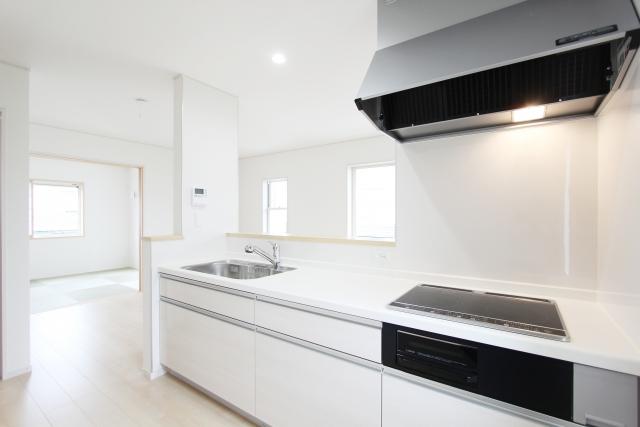
Color Psychology in Home Renovations What to Use WhereColor Psychology in Home Renovations What to Use Where

As you embark on your home renovation journey, you’re likely considering factors like layout, lighting, and materials. But have you thought about the impact of color on your daily life? The hues you choose for each room can significantly influence your mood, energy, and productivity. Imagine starting your day in a vibrant kitchen that energizes you for the morning ahead, or unwinding in a soothing bedroom that calms your mind. By understanding how different colors affect your emotions and behavior, you can create spaces that support your well-being and enhance your overall quality of life – but where do you even begin?

Boosting Energy in the Morning

As you step into your morning routine, the colors surrounding you can either help or hinder your energy levels.

Vibrant colors can give you a much-needed boost to start your day, while dull colors can leave you feeling sluggish. To energize your morning, surround yourself with warm and inviting colors like orange, yellow, and red.

These hues can increase your heart rate and stimulate your brain, making you feel more alert and focused.

Incorporate these colors into your kitchen and dining areas through accessories like vases, utensils, and wall art.

You can also paint a single accent wall in a bold, energetic shade to create a focal point in the room. Avoid using these colors in overwhelming amounts, as they can be overstimulating.

Instead, balance them with neutral shades like beige or gray to create a harmonious atmosphere.

Calming Atmosphere for Bedrooms

Soft, calming hues envelop your bedroom, creating a serene retreat from the day’s chaos.

You want to unwind and recharge for the next day, and the right colors can help you do just that. Blues, such as light sky blue or soft navy, are known to slow down your heart rate and promote relaxation.

Pastel shades, like pale pink or lavender, can also contribute to a calming atmosphere. These colors are gentle on the eyes and can help reduce stress and anxiety.

When choosing a color scheme for your bedroom, consider the 60-30-10 rule.

Use a dominant calming color on 60% of the walls, a secondary color on 30%, and an accent color on 10%. This balance will create a harmonious and peaceful environment.

Additionally, don’t forget about the power of neutrals like beige, gray, or taupe, which can provide a clean backdrop for your calming colors.

Productivity in Home Offices

Your home office is a hub of activity, where deadlines loom and tasks multiply.

To maximize your productivity, choose colors that stimulate your mind and promote focus. Cool blues and greens, like sky blue or lime green, are ideal for home offices.

These calming yet energizing hues improve concentration, reduce stress, and boost creativity.

Additionally, incorporate yellow accents to enhance mental clarity and memory.

A soft, buttery yellow on walls or a vibrant, citrus yellow for decorative items can stimulate your brain’s problem-solving abilities. Avoid overwhelming the space with too much yellow, as it can evoke feelings of anxiety. Balance is key.

When selecting furniture, opt for neutrals like gray, beige, or white to create a clean and organized atmosphere.

These colors won’t compete with your primary colors, allowing you to stay focused on your tasks. By thoughtfully choosing your home office colors, you’ll be more productive, efficient, and successful in your professional pursuits.

Social Hubs and Gathering Spaces

The heart of your home, social hubs and gathering spaces, should be designed to foster connection and conversation.

These areas, like living rooms and dining rooms, are where you’ll create lasting memories with family and friends.

To encourage socializing, use warm and inviting colors that stimulate emotions and spark conversation.

Earthy tones like terracotta, sienna, and golden brown create a cozy atmosphere, perfect for sharing stories and laughter.

Blues, especially softer shades like sky blue or light azure, can also promote feelings of trust and relaxation, making it easier for guests to open up.

You can also use colors to define different zones within a social hub.

For example, a bold accent wall in a vibrant orange or red can create a focal point, drawing people together.

Meanwhile, a softer, calming shade like pale green or beige can help create a quieter, more intimate area for smaller groups or one-on-one conversations.

Soothing Ambiance for Bathrooms

Three essential elements come together to create a bathroom oasis: lighting, fixtures, and color.

You’ll want to balance these elements to craft a soothing ambiance that turns your bathroom into a relaxing retreat. Soft, warm lighting can work wonders in creating a calming atmosphere.

Consider installing dimmable LED lights or sconces to produce a gentle glow.

When it comes to fixtures, opt for clean lines, minimal ornamentation, and a calming color palette.

White, cream, or soft gray hues can help create a sense of serenity. Avoid bold patterns or bright colors, which can stimulate rather than calm.

For the color scheme, you can’t go wrong with calming shades of blue, such as sky blue, light blue, or powder blue.

These hues have been shown to reduce stress and promote relaxation. Soft greens, like sage or moss, can also contribute to a peaceful ambiance.

Conclusion

By thoughtfully selecting colors for each room, you’ll create a harmonious and supportive living トイレ リフォーム 名古屋 that nurtures your emotional and psychological well-being. You’ll start the day energized, sleep better at night, stay focused while working, and socialize with ease. As you renovate, remember that colors have the power to shape your experiences, so choose wisely and reap the benefits of a happier, healthier you.

Top Financial Strategies for Investing in Real EstateTop Financial Strategies for Investing in Real Estate

When it comes to investing in real estate, you’re not just buying properties – you’re building a business. To succeed, you need to master the financial strategies that will help you maximize returns and minimize risk. You’re probably aware that cash flow management and tax optimization are crucial, but do you know how to prioritize your spending, set aside a cash reserve, and leverage deductions like mortgage interest and depreciation? By understanding these strategies and more, you’ll be better equipped to navigate the ups and downs of the market and achieve your long-term financial goals – but where do you start?

Mastering Real Estate Financing Options

When it comes to real estate investing, mastering financing options is crucial to securing the right deals and maximizing returns.

You need to understand the different financing options available, including traditional bank loans, private money lending, hard money lending, and partner financing.

Each option has its pros and cons, and you must carefully evaluate which one is best for your investment strategy.

You should also consider the interest rates, loan terms, and repayment schedules of each financing option.

For instance, traditional bank loans often have lower interest rates but stricter qualifying criteria.

Private money lending, on the other hand, offers more flexibility but may come with higher interest rates.

Hard money lending is ideal for fix-and-flip projects, while partner financing can provide access to more capital.

Effective Cash Flow Management Techniques

To ensure the long-term success of your real estate investments, you’ll need to manage your cash flow effectively, juggling income from rent, loan payments, and property maintenance expenses.

This requires you to track your income and expenses closely, making adjustments as needed to stay afloat. You should create a budget that accounts for regular expenses, such as mortgage payments, property taxes, and insurance, as well as irregular expenses, like repairs and renovations.

You’ll also need to prioritize your spending, focusing on essential expenses first and discretionary expenses last. Consider setting aside a cash reserve to cover unexpected expenses, like a broken HVAC system or a vacant rental unit.

Tax Benefit Optimization Strategies

How can you maximize the tax benefits of your real estate investments, minimizing your tax liability and boosting your bottom line?

One strategy is to take advantage of mortgage interest deductions. As a real estate investor, you can deduct the interest paid on your mortgage from your taxable income. This can lead to significant tax savings, especially in the early years of your mortgage when interest payments are highest.

Another strategy is to depreciate your property. Real estate investments can be depreciated over time, allowing you to claim a portion of the property’s value as an expense on your tax return.

This can help reduce your taxable income and lower your tax bill. Additionally, you can use tax-loss harvesting to offset gains from other investments.

Risk Management and Diversification

Diversify your real estate portfolio to shield yourself from market volatility and unforeseen events.

By spreading your investments across different asset classes, locations, and property types, you’ll reduce your exposure to potential risks and increase the potential for long-term returns. For instance, consider investing in both residential and commercial properties, as well as in different geographic regions.

This way, if one market experiences a downturn, your other investments can help offset the losses.

Another key aspect of risk management is to set clear investment goals and criteria.

Establish a well-defined investment strategy and stick to it, avoiding impulsive decisions based on emotions or short-term market fluctuations. It’s also essential to conduct thorough due diligence on each investment opportunity, carefully evaluating the property’s potential for cash flow, appreciation, and tax benefits.

Adapting to Market Fluctuations

You’ve taken steps to manage risk and diversify your real estate portfolio, but even with a solid strategy in place, market fluctuations can still throw you a curveball.

That’s why it’s essential to stay adaptable and adjust your approach as market conditions change. Keep a close eye on market trends, interest rates, and regulatory changes that could impact your investments.

Be prepared to pivot when necessary, whether that means shifting your focus to different property types, locations, or investment strategies.

Stay informed, but avoid emotional decision-making.

It’s easy to get caught up in the hype of a hot market or panic during a downturn, but it’s crucial to stick to your long-term goals and avoid impulsive decisions.

Consider working with a real japan real estate advisor or mentor who can provide valuable insights and help you navigate uncertain market conditions.

Conclusion

You’ve now got the tools to supercharge your real estate investing. By mastering financing options, managing cash flow like a pro, optimizing tax benefits, diversifying your portfolio, and adapting to market changes, you’ll be well on your way to achieving long-term financial success. Remember, staying informed and flexible is key. As you put these strategies into action, you’ll be maximizing your returns and building a strong foundation for a prosperous real estate investing career.

Top Signs It’s Time to Replace Your Water HeaterTop Signs It’s Time to Replace Your Water Heater

As you go about your daily routine, you might not give much thought to your water heater – until something goes wrong. But if you’re noticing rust-colored water, hearing strange noises, or dealing with inconsistent temperatures, it may be trying to tell you something. Your water heater is working hard behind the scenes to provide you with a comfortable and convenient water supply. But if it’s nearing the end of its lifespan, you could be headed for trouble. Is your water heater on the verge of failure, and what can you do to avoid a costly crisis?

Age of the Water Heater

Your water heater’s age is a significant factor in determining whether it’s time to replace it. Most お湯が出ない 給湯器 修理 heaters last between 10 to 15 years, depending on the type and quality of the unit.

If your water heater is approaching or has exceeded that age, it’s likely nearing the end of its lifespan. You can find the age of your water heater on the manufacturer’s label, usually located on the side or top of the unit.

As your water heater gets older, it becomes less efficient and more prone to breaking down.

You may notice it takes longer to heat water or that it’s not producing enough hot water for your needs. Replacing an old water heater can save you money in the long run by reducing your energy bills and avoiding costly repairs.

Don’t wait until your water heater fails completely – consider replacing it proactively to avoid inconvenient and costly disruptions to your daily routine.

Rust and Corrosion Signs

Many water heaters exhibit telltale signs of rust and corrosion as they near the end of their lifespan.

You might notice rust-colored water coming out of your faucets or discoloration around the water heater’s connections. Corrosion can also cause your water heater to make strange noises, like rumbling or banging sounds. If you notice any of these signs, it’s likely that your water heater’s tank is corroding from the inside out.

Check your water heater’s exterior for signs of rust or corrosion, such as flaking metal or reddish-brown stains.

You should also inspect the temperature and pressure relief valve for signs of leakage or corrosion. If you find any corrosion or rust, it’s likely that your water heater is nearing the end of its lifespan. Don’t wait until it fails completely – replacing it now can save you from costly repairs and potential safety hazards.

Water Leaks and Flooding

Rust and corrosion can weaken your water heater’s tank, but it’s not the only indicator that replacement is near.

Another major red flag is water leaks and flooding. If you notice water pooling around the base of your water heater, it’s a sign that the tank is leaking. This can cause significant damage to your floor, walls, and surrounding structures, leading to costly repairs.

You might also notice water spots on the ceiling or walls, which can indicate a slow leak. Don’t ignore these signs, as they can lead to catastrophic flooding.

Check the connections and valves for signs of moisture or mineral buildup, which can cause leaks. If you’re not comfortable inspecting the water heater yourself, consider hiring a professional to do it for you.

Inconsistent Water Temperature

As you turn the faucet handle, you expect a consistent stream of hot water, but if your water heater is on its way out, that’s not what you’ll get. Instead, you might experience sudden temperature fluctuations, leaving you shivering under a cold shower or scalded by boiling water.

This inconsistency can be frustrating and even unsafe. If you notice the water temperature dropping or rising erratically, it may be a sign that your water heater is struggling to maintain a consistent temperature.

This issue can be caused by a variety of problems, including mineral buildup, sediment accumulation, or a faulty thermostat. As your water heater ages, these problems can worsen, leading to more frequent and extreme temperature fluctuations.

If you’re experiencing inconsistent water temperatures, it’s essential to investigate the cause and consider replacing your water heater before it leaves you high and dry – or scalded. Don’t wait until you’re left without hot water; take action now to ensure a consistent and comfortable water supply.

Unusual Noises and Smells

Your water heater is usually a quiet, behind-the-scenes appliance, but when it starts making unusual noises or emitting strange smells, it’s time to take notice.

These unusual sounds can be a sign that sediment has built up inside the tank, causing it to vibrate or rumble. You might hear banging, clanking, or gurgling noises coming from the unit.

Similarly, strange smells can indicate that bacteria or other contaminants are present in the water heater. If you notice a sour or metallic smell when you turn on the hot water, it’s likely that your water heater is harboring bacteria.

These issues can lead to more serious problems, such as leaks or complete failure, if left unchecked. Don’t ignore these warning signs – it’s time to consider replacing your water heater before it leaves you without hot water when you need it most.

Conclusion

You’ve been noticing some troubling signs from your water heater, and it’s clear it’s time to take action. Replacing your old water heater will save you from costly repairs, inconvenient disruptions, and even catastrophic flooding down the line. Don’t wait until it’s too late – swap it out for a new one to ensure a consistent and comfortable water supply. Your wallet, and your sanity, will thank you.

Seasonal Kimono Designs What to Wear and WhenSeasonal Kimono Designs What to Wear and When

As you prepare for the changing seasons, you’re likely wondering how to incorporate traditional Japanese flair into your wardrobe. Seasonal kimono designs offer a timeless solution, with each time of year boasting its unique aesthetic. From the soft pastels of spring to the vibrant hues of summer, and the natural motifs of autumn and winter, the right design can elevate your style. But which patterns and colors are suitable for each season, and how can you ensure a seamless transition from one to the next? The answer lies in understanding the intricacies of seasonal kimono designs, and we’re about to uncover them together.

Spring Florals and Cherry Blossoms

As you step into the vibrant world of spring kimono designs, you’re immediately surrounded by the sweet scent of blooming flowers and the delicate beauty of cherry blossoms.

Soft pastel hues and gentle patterns evoke the feeling of a stroll through a Japanese garden on a warm spring day. Delicate petals and budding branches adorn the fabric, creating a sense of elegance and refinement.

You’ll notice that spring kimonos often feature a mix of bold and subtle designs, showcasing the beauty of nature’s awakening.

Some designs may incorporate traditional Japanese motifs, such as hanakotoba (flower language), to convey messages of love, appreciation, or gratitude. Others may simply celebrate the joy of the season, with vibrant colors and playful patterns.

Whether you’re attending a traditional tea ceremony or a modern spring festival, a spring kimono is the perfect way to connect with the season’s beauty and magic. By choosing a design that resonates with you, you’ll be sure to make a stunning impression.

Summer Kimono Designs Unveiled

Vibrant summer kimono designs burst onto the scene, transporting you to a world of warmth and vitality.

You’ll love the bold, bright colors and playful patterns that evoke the feeling of a sunny day. Summer kimonos often feature motifs like seashells, waves, and beach balls, perfect for a trip to the ocean or a summer festival.

As you slip into a summer kimono, you’ll feel the lightweight fabric keeping you cool and comfortable in the warm weather.

The designs are often more casual and relaxed, making them ideal for everyday wear during the summer months. You can choose from a variety of styles, from bold and statement-making to soft and subtle.

When wearing a summer kimono, you’ll want to keep your accessories simple and understated, letting the bold design of the 振袖 豊橋 take center stage.

A simple obi and a pair of geta sandals will complete your look, and you’ll be ready to take on the summer in style. With a summer kimono, you’ll be the epitome of cool and chic, even on the hottest days.

Autumn Leaves and Nature Motifs

With autumn’s arrival, you’re treated to a kaleidoscope of colors, as leaves transform into brilliant shades of orange, red, and yellow.

As you step into the season, you’ll want to incorporate these vibrant hues into your kimono wardrobe. Opt for autumn leaf-inspired designs, featuring intricate patterns of interlocking leaves, often in shades of crimson, amber, and gold.

These motifs are typically displayed on a cream or beige background, allowing the rich colors to take center stage.

Nature motifs extend beyond leaves, as you’ll also find designs featuring chrysanthemums, asters, and other seasonal flowers.

These blooms are often depicted in a stylized, abstract manner, adding a touch of elegance to your autumn kimono.

For a more subtle look, consider kimonos with subtle, tone-on-tone designs that evoke the season’s rustic charm.

Whichever design you choose, you’ll be sure to make a statement as you celebrate the beauty of autumn.

Winter Snowflakes and Pine Needles

Winter’s chill brings a serene stillness, and your kimono wardrobe should reflect this frosty tranquility.

You’ll want to choose designs that evoke the quiet beauty of winter landscapes. Snowflakes, delicate and intricate, are a popular motif during this season. Look for kimonos featuring subtle, white patterns that resemble falling snow. These designs will add a touch of winter wonder to your outfit.

For a more rustic, wintery feel, consider kimonos adorned with pine needles.

These designs often feature dark green or brown hues, reminiscent of evergreen trees heavy with snow. You might also find kimonos with subtle, embossed patterns that resemble the texture of pine needles. These designs will bring a sense of wintry coziness to your ensemble.

When pairing your winter kimono with other pieces, opt for subtle, muted colors that won’t compete with the seasonal design.

A simple obi and understated accessories will allow your kimono to take center stage, showcasing the beauty of winter’s chill.

Seasonal Kimono Design Essentials

Beyond the realm of seasonal motifs, certain design elements can elevate your kimono game, regardless of the time of year.

These essentials will help you create a stunning outfit that exudes sophistication and cultural flair.

First, consider the color palette. Traditionally, kimonos feature a dominant color with accent hues. You can choose a bold, vibrant shade or opt for a more subdued tone, depending on your personal style.

Next, think about the fabric. Silk, cotton, and synthetic blends are popular choices, each with its unique texture and drape.

Pattern size and placement are also crucial. Large, bold designs can make a statement, while smaller patterns create a more subtle look.

Don’t forget about the sleeves – wide, bell-shaped sleeves add drama, while narrower sleeves create a more streamlined appearance.

Finally, balance is key. Harmonize your design elements to create a visually appealing kimono that’s sure to turn heads.

With these essentials in mind, you’ll be well on your way to becoming a kimono connoisseur.

Conclusion

Now that you’ve explored the world of seasonal kimono designs, you’re ready to elevate your style with the perfect choice for any time of year. Remember, soft pastels in spring, vibrant hues in summer, autumn leaves in fall, and snowflakes in winter. By choosing a design that matches the season, you’ll add an extra layer of elegance and refinement to your outfit. With these seasonal kimono designs, you’ll always be in tune with nature’s beauty and Japanese fashion traditions.