

 AQ
AQ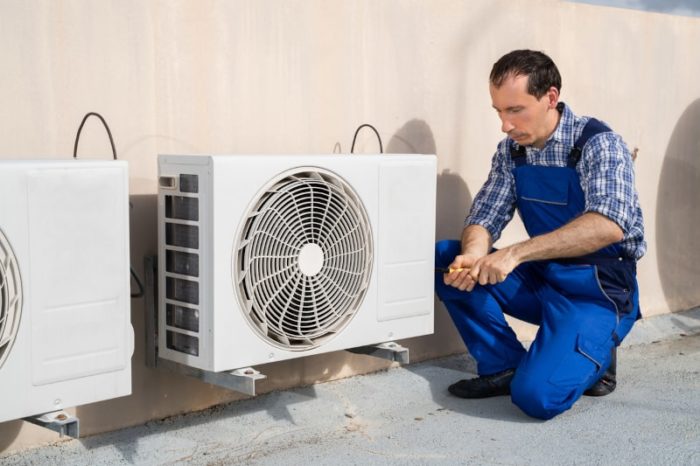
Heating, ventilation, and air conditioning (HVAC) systems are critical for maintaining comfort and indoor air quality in homes and commercial buildings. Proper HVAC installation ensures efficient operation, lower energy costs, and long-term reliability. Whether you’re a homeowner planning an upgrade or a business owner managing a new building, understanding the HVAC installation process is essential.
1. Understanding HVAC Systems
An HVAC system typically consists of heating components (furnace or heat pump), cooling components (air conditioner or heat pump), ductwork, ventilation systems, and thermostats. Each element works together to regulate indoor temperature, humidity, and air quality. Selecting the right HVAC system depends on factors such as building size, climate, energy efficiency requirements, and budget.
Modern HVAC units come with various efficiency ratings. The Seasonal Energy Efficiency Ratio (SEER) measures air conditioning efficiency, while the Annual Fuel Utilization Efficiency (AFUE) indicates furnace performance. Choosing high-efficiency systems during installation can result in long-term savings on energy bills.
2. Preparing for HVAC Installation
Preparation is key to a smooth HVAC installation. Homeowners or building managers should start by evaluating their current system and identifying specific needs. This includes:
-
Assessing the building’s insulation and sealing to prevent energy loss.
-
Determining the appropriate size and capacity of the HVAC unit to avoid underperformance or overloading.
-
Checking local building codes and permits required for HVAC installation.
Hiring a licensed HVAC contractor is crucial. Professionals bring expertise in system sizing, equipment selection, and safe installation practices. Attempting a DIY HVAC installation can be risky, as improper setup can lead to leaks, electrical hazards, or reduced system lifespan.
3. The hvac installation estimate Process
The installation process involves several stages, each requiring precision and attention to detail.
a. Removal of Old System
If replacing an existing system, the first step is safely removing the old HVAC equipment. This includes disconnecting power, refrigerant, and ductwork. Proper disposal is essential, especially for refrigerants that are environmentally harmful.
b. Equipment Placement
Next, the new heating and cooling units are positioned. For furnaces and air handlers, indoor placement should allow easy access for maintenance. Condensing units or air conditioners are typically placed outdoors, away from direct sunlight and debris. Proper placement ensures efficient airflow and prevents premature wear.
c. Ductwork and Ventilation
Ducts carry conditioned air throughout the building. Technicians may need to repair, replace, or install new ductwork during HVAC installation. Proper sealing and insulation of ducts are critical to prevent energy loss and maintain consistent temperatures. Ventilation systems are also installed or updated to provide adequate airflow and remove indoor pollutants.
d. Electrical and Refrigerant Connections
The HVAC system requires electrical connections to power the unit and thermostats. Air conditioners and heat pumps also need refrigerant lines properly charged to ensure optimal cooling performance. Incorrect electrical wiring or refrigerant charging can damage the system and void warranties.
e. System Testing and Calibration
Once installed, the HVAC system undergoes testing to confirm proper operation. Technicians check airflow, thermostat functionality, refrigerant levels, and temperature control. Calibration ensures that the system operates efficiently and delivers consistent comfort.
4. Post-Installation Considerations
After HVAC installation, it’s important to schedule regular maintenance to extend the system’s life. Maintenance tasks include changing filters, cleaning coils, checking refrigerant levels, and inspecting electrical components. Many contractors offer maintenance plans to keep the system running smoothly year-round.
Energy efficiency and comfort depend not only on proper installation but also on correct usage. Programmable thermostats, zoning systems, and smart HVAC controls can optimize performance and reduce energy costs.
5. Common Challenges in HVAC Installation
Challenges can arise during installation, such as:
-
Space limitations that complicate equipment placement.
-
Outdated ductwork that requires extensive modification.
-
Electrical or structural issues that require additional work.
Working with experienced HVAC professionals helps mitigate these challenges and ensures the system meets building requirements and performance standards.
Conclusion
HVAC installation is a complex but essential process that impacts comfort, energy efficiency, and indoor air quality. From selecting the right system to proper placement, ductwork, and electrical connections, each step must be executed with precision. Hiring licensed contractors and following best practices ensures a successful HVAC installation that delivers long-term performance. Regular maintenance, combined with smart usage, will maximize the benefits of a newly installed HVAC system. Investing in a professional installation is an investment in comfort, safety, and energy savings for years to come.
